Military Commission Observation Project

9/11 Case August Pretrial Hearings Cancelled

Military tribunals for some accused of terrorist attacks on the United States are held at Camp Justice at Guantanamo Bay. (Photo by Catherine Lemmer, IU McKinney School of Law)

Military tribunals for some accused of terrorist attacks on the United States are held at Camp Justice at Guantanamo Bay. (Photo by Catherine Lemmer, IU McKinney School of Law)

The pretrial hearing scheduled to take place from the 24th of August through the 4th of September has been cancelled. According to the docketing order for the now cancelled hearing, the court was to hear argument pertaining to 36 different motions. The consideration of the motions was contingent on the outcome of motion AE 292, Emergency Joint Defense Motion to Abate Proceedings and Inquire into Existence of Conflict of Interest Burdening Counsel’s Representation of Accused, and that issue remains unresolved per Miami Herald reporter Carol Rosenburg.

Two representatives (Luke Purdy and myself, Matthew Kubal) of the Military Commission Observation Project and the Program in International Human Rights Law at Indiana University Robert H. McKinney School of Law were scheduled to attend the hearings at Guantanamo Bay as observers.

Indiana law students and faculty at Ft. Meade’s Guantanamo hearings

Ft. Meade # 1 of 4

Right to left — Mr. Tex Boonjue, Ms. Hee Jong Choi, and me. We’re standing in front of the Post Theater at Ft. Meade.

I was at Ft. Meade, Maryland today to monitor hearings in the Guantanamo Bay Military Commission case against an alleged high-ranking al Qaeda member, Hadi al Iraqi. Hadi faces war crimes charges in the court, located in a remote area of Cuba. The U.S. military broadcasts the hearings live to a Ft. Meade base movie theater (the Post Theater) via a secure video-link.

Indiana students at Ft. Meade

I was joined by two Indiana University McKinney School of Law students, both of whom have strong interests in human rights and international criminal law. They are both representatives of Indiana’s Military Commission Observation Project (MCOP).

Ms. Hee Jong Choi is a rising third year student who is an intern in Indiana’s Program in International Human Rights Law. She has been working on North Korean human rights issues, while she was based in South Korea for the first half of the summer, and while based in Washington, DC at an NGO (HRNK – The Committee for Human Rights in North Korea) for the second half of the summer.

Mr. Tex Boonjue is a rising 2nd year Indiana student, who is working for the Court of Appeals for the Armed Forces (CAAF) at the Washington, DC Naval Yard.

Fort Meade's Post Theater is screening Guantanamo Bay war crimes hearings during the day, and San Andreas in the evenings.

Fort Meade’s Post Theater is screening Guantanamo Bay war crimes hearings during the day, and San Andreas in the evenings.

Defendant’s opportunity to speak today – Conflict of interest

Today’s hearings were notable, in that the defendant had an opportunity to speak more than defendants typically speak at military commission hearings. Typically, at the beginning of a hearing week, the military judge will ask the defendant whether the defendant understands his rights. The judge lists our numerous rights, and the defendant is given a chance to answer as to his understanding of those rights. Generally, after that, the lawyers do the rest of the talking, along with the judge.

Today, an issue was presented regarding the possibility that the lawyer who represented Hadi for a year may have a conflict of interest that could have a negative impact on Hadi. The judge asked Hadi series of questions, in open court on the record, and Hadi replied. Hadi and the judge entered into a discussion about these issues.

Hearings suspended, again

Ultimately, due to questions concerning the possible conflict, the judge suspended the hearings, indefinitely.

The hearings for July 2015 had been scheduled for two weeks, beginning Monday, 20 July. The night before, this conflict issue was raised in special conference, and the judge postponed the hearings until today, Wednesday the 22nd. Today, we had about 3 hours of court time, including the time that the defendant and the judge conversed, and including pauses and a long break.

The two weeks of hearings could be over as of lunch time today.

In the meantime, many dozens of people associated with the hearings boarded a plane this past Sunday at Andrews Air Force Base, bound for 2 weeks at Guantanamo Bay. The plane may be forced to return to Andrews more than a week early, with only 3 hours of court.

At the Ft. Meade Commissary today

At the Ft. Meade Commissary today

Who else was at Ft. Meade today?

Also in the Post Theater observing today’s hearings were 7 law student interns from the Office of the Chief Prosecutor of the Military Commissions, along with one of their supervisors, Major Chris Hartley (Army JAG, International Law Advisor). Two law student interns from the Human Rights First National Security section were present, as was another gentleman who did not identify himself. A DoD contractor was there to help ensure that no one brought cell phones into the Theater. And a technician and another administrator popped in from time to time to check up on things.

It was an early lunch day at Ft. Meade.

Greg Loyd, our Indiana McKinney representative who is in Guantanamo Bay this week, reported that there is plenty to keep him and observers busy down there, even with the hearings being suspended. He, and the rest of us, are spending time working on the Guantanamo Bay Fair Trial Manual.

George Edwards – Ft. Meade, Maryland

Hadi’s Guantanamo hearings delayed two days

We are 6 NGO Observers on this trip to Guantanamo Bay, along with our Military Commission escort. Next time we wont stand in the shade for our photos!)

We are 6 NGO Observers on this trip to Guantanamo Bay, along with our Military Commission escort. Next time we wont stand in the shade for our photos!)

The Hadi al Iraqi Guantanamo Bay hearings begin tomorrow (Wednesday, 22 July), two days late due to an issue that apparently arose on Sunday the 19th, our first day in Cuba.

I came to Cuba to observe these war crimes hearings, and though the hearings were postponed, I and the other Observers had a very full two days.

On Monday I went for a 4:00 a.m. run with a fellow Observer. We ran early to avoid the daylight heat and humidity. As required, we carried our base identification card and wore reflective gear.

We then met with the other Observers and our escorts for breakfast at the base dining hall. This gave us a chance to get to know each other and learn about the different non-governmental organizations we represent. At the dining hall we saw members from every branch of the U.S. armed forces. As for the food, well, it was pretty decent.

I'm sharing this tent with the two other male Observers. the 4 female Observers are sharing their own tent.

I’m sharing this tent with the two other male Observers. the 4 female Observers are sharing their own tent.

Who are the Guantanamo Observers this week?

I am representing the Military Commission Observation Project of the Indiana University IU McKinney School of Law (MCOP), founded by Professor George Edwards. Five other NGO’s sent representatives to attend this round of Hadi hearings. NGOs generally are tasked with attending, observing, analyzing, critiqueing and reporting on the military commission proceedings. Our Indiana project, which is also known a the “Gitmo Observer”, is specifically looking at the rights and interests of the full range of Guantanamo Bay military commission stakeholders, including, for example, the defendants, the prosecution, the victims and their families, the witnesses, the media, and the military personnel who guard the prisoners and run the detention facilities.

My 3rd of the men's tent.

My third of the men’s tent.

Our group of Observers consists of two attorneys, four law school students from four different law schools, and one representative from an NGO that focuses on human rights. The diverse backgrounds of this group will help provide different points of view from which to observe the proceedings and, thus, hopefully lead to a fuller review of the hearings.

Internet Access

After breakfast, I met with the other Observers for an informal discussion. We met outside near a particular restaurant so that several of the Observers could use the free wifi available at that particular location.

Internet access is quite an issue at the base. Internet access through a wired ethernet connection costs $150/week. This cost is prohibitive to some NGO’s and to some Observers. The Observers who cannot afford to pay for the wired connection must rely upon free wifi. This service, which is only available at select locations is both slow and unreliable due. This, in turn, runs the risk of limiting timely reporting from Observers.

The NGO Library

I then went to the NGO library to learn what resources were present to aid us in our observations. A number of NGO’s, including the Military Commission Observation Project through Indiana’s IU McKinney School of Law, stocked the library with helpful written material.

The MCOP most notably included two resources (1) a briefing book that includes the Manual for Military Commissions and (2) a copy of the 500 page Executive Summary from the Senate Select Committee on Intelligence’s Committee Study of the Central Intelligence Agency’s Detention and Interrogation Program.

To understand the rights of stakeholders, it is important to understand the legal framework in which stakeholders exercise their rights. As such, the Manual for Military Commissions is a great resource as it sets forth how military commissions, such as the one handling the al-Hadi al-Iraqi case operate, both in and outside of court hearings. This includes, for example, discovery issues, trial rules, and sentencing procedures.

The second document will be helpful as the Hadi defense team has made numerous references to this study through many of its pleadings. This document is important as it is referenced by the defense in many of its pleadings.

Big Day Tomorrow

It is hard to believe that the hearings begin tomorrow. I’m excited about this opportunity to watch the hearings, analyze the proceedings, and then report to you.

I and other Observers have been using the Guantanamo Bay Fair Trial Manual, that provides insights as to what we might wish to look for as we assess whether stakeholders are receiving a fair hearing.

Greg Loyd – Guantanamo Bay, Cuba

My arrival at Guantanamo Bay, Cuba

Greg Loyd - At Camp Justice - 21 July 2015

I’m standing at the front of Camp Justice, my home for the next two weeks at Guantanamo Bay. I am facing the makeshift complex that houses the courtroom where hearing are scheduled to begin tomorrow, Monday, 20 July 2015.

I arrived at Guantanamo Bay Naval Station yesterday, on a sunny Sunday July afternoon. I am scheduled to be here from tomorrow (the 20th) through 31 July to monitor hearings in the case against alleged al Qaeda official Hadi al-Iraqi.

I flew from Andrews Air Force Base – along with the judge, prosecution and defense attorneys, media, and other NGO Observers – on an air force flight. Check-in was similar to check-in for a regular commercial flight. I presented my ID card at the Andrews ticketing counter, confirmed my destination, and the attendant gave me a boarding pass.

Greg Loyd - Sunrise at Andrews Air Force Base - 19 July 2015

Sunrise at Andrews Air Force Base, Sunday, 19 July 2015

 Waiting to Board

In the Andrews terminal, I had the opportunity to meet fellow NGO Observers and other people involved in the military commission. Many people traveling with us appeared to have formed strong bonds, as they quite happily greeted one another with wide smiles, a change in the tone of their voice, and a strong handshake or hug.

When did friends and Colleagues last see each other?

Watching the men and women at Andrews greet each other so warmly made a lot of sense to me, since the different groups of people may not have seen each other in a while. I’m not sure when the last hearings were in the Hadi case, but there have been no military commission hearings at all for many months.

Unlike many courts, the Military Commission doesn’t conduct court hearings each and every day. Instead, the court only conducts hearings on the days or weeks designated by the judge in light of pending motions, the status of the parties’ trial preparations, and other considerations. Weeks and months can go by with no hearings in the Hadi case, or in any of the other few pending Guantanamo Bay cases.

The judge and others involved with the hearings (excluding the defendants) do not stay at Guantanamo Bay when there are no hearings. Instead, everybody (again, except the defendants) travel to the base only for the scheduled hearings.

Hearings have indeed been scheduled in multiple cases over the last several months, but most of those hearings were cancelled.

We are 6 NGO Observers on this trip to Guantanamo Bay, along with our Military Commission escort. Next time we wont stand in the shade for our photos!)

We are 6 NGO Observers on this trip to Guantanamo Bay, along with our Military Commission escort. Next time we wont stand in the shade for our photos!)

NGO Impact: A Cost – Benefit Analysis

The repeat cancellations present a potential problem for NGO’s, among other stakeholders. Such cancellations (particularly those that occur shortly before a hearing date) create a degree of uncertainty for NGO’s representatives regarding the cost of planning on attending hearings. This cost notably includes time reviewing relevant motions, statutes, and human rights treaties, and that time could instead be invested in other valuable projects. If hearings are rescheduled too often, there is a risk that NGO’s will elect to invest their time in other worthy goals that may have a more certain application, rather than preparing for a hearing that may be cancelled. Should this occur, then fewer NGO’s may send Observers, which could negatively impact the quantity and quality of Observer reporting.

A personal example

On three prior occasions, I was selected to travel to observe the proceedings as a representative of the Military Commission Observation Project of Indiana University School of Law.

Each previous time the hearings were cancelled. Each time I prepared for the hearing, purchased flight tickets, paid for my ground transportation, and coordinated work schedules and assignments with co-workers. While I am fortunate to work in a very team oriented office, such cancellations (and subsequent rescheduling) put pressure on my co-workers.

As a trial attorney, I understand the need to continue court hearings, sometimes at the last minute. I also understand that the complexity of these issues often necessitates a fair amount of work by all parties to properly prepare for the hearings. Nonetheless, the potential danger to NGO’s remains as they work to balance their limited time, manpower, and other resources.

While these cancellations can be frustrating, I hope that Observers can use this time beneficially to review and re-review the law, commentary, and analysis. Perhaps this additional analysis under multiple deadlines will lead to creative ideas to contribute to the discussion.

Breaking News

Just moments ago, my fellow NGO Obsevers met for Sunday dinner to discuss the hearings set to begin tomorrow morning. While at the restaurant, we were notified that the hearings scheduled for Monday, July 20 and Tuesday, July 21 were postponed until Wednesday.

That’s not a big problem for us, as our Guantanamo Bay tents are only a few feet away from the courtroom, and it is not a logistical nightmare to have Monday and Tuesday without hearings. But, Indiana’s Military Commission Observation Project is sending 4 people to Ft. Meade, Maryland, to monitor these same Guantanamo hearings via a secure simultaneous video-feed. It must be more challenging for the Ft. Meade Observers to change their hearings schedule to get to Ft. Meade.

Its time now to re-read some material I brought along.

Greg Loyd – Guantanamo Bay, Cuba


My flight to Guantanamo Bay – by Greg Loyd

On my way to Guantanamo Bay: a quick meeting with George Edwards

I’m on the left, with Professor George Edwards who founded the Military Commission Observation Project at Indiana. This photo was taken in Washington, DC the day before my departure for Guantanamo.

I’m set this morning to go to Guantanamo Bay to monitor Military Commission hearings. On my plane, which leaves from Andrews Air Force Base, will be the judge, prosecution and defense lawyers, victims’ families, press, court reporters and interpreters, and other hearing observers. For 10 days we will be involved in pre-trial hearing in a case against alleged war criminal al-Hadi al-Iraqi, an alleged high-ranking al Qaeda member.

I appreciate the opportunity to represent the Military Commission Observation Project (MCOP) of the Indiana University McKinney School of Law.

 My Background

I graduated from Indiana’s law school over a decade ago, and I have worked as both a defense attorney and a Deputy Prosecuting Attorney. I have worked with many categories of individuals emotionally vested in cases – criminal defendants scared for their future due to charges against them, detectives who sink their nights and days investigating a case, family members who grieve for a loved one, and fellow attorneys who spend sleepless nights worrying upcoming hearings. I hope this balanced lense will aid me in better understanding each Guantanamo Bay stakeholder’s point of view and lead to reporting that readers find helpful.

 My Role

As an Observer, I will watch, listen, and ask questions about the rights of stakeholders in the al-Hadi al-Iraqi case. Obviously, one such stakeholder is the defendant who has significant rights and interests in the matter. Yet, so too do the families of victims. The press. NGO’s. Yes, even the prosecution. When evaluating the military commissions, it is important to consider not just the rights of any one stakeholder, regardless of who or what this stakeholder is, but rather, the analysis must be global in nature. Given that much has been written about the defendant’s rights, I will try to pay close attention to another stakeholder — the rights of the Guantanamo Bay prosecution — in an effort to contribute to a full discussion.

A helpful starting point is to ensure an understanding of the charges filed against a defendant.

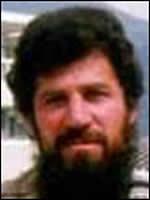
Abd al-Hadi al-Iraqi

Abd al-Hadi al-Iraqi

What are “Charges”?

Charges are the formal method that the government uses to accuse an individual (the defendant) with having committed a crime. The charges are not evidence and the filing of a charge does not mean that the defendant is guilty. Rather, it is the Government’s responsibility to prove at trial that the defendant is guilty. The Government filed fives charges against Hadi al-Iraqi.

Charges Against Hadi al Iraqi

Here is a brief explanation of the charges filed against the defendant.

  1. Denying Quarter

In short, the Government alleges that Hadi al Iraqi ordered his combat forces in Afghanistan and Pakistan that when they engaged in combat, they were to take no prisoners, even if the opposing forces attempted to surrender.

  1. Attacking Protected Property

Here, the Government alleges that the defendant attacked a military medical helicopter as it attempted to evacuate a U.S. military member from a battlefield and that the defendant knew the helicopter was a medical helicopter.

  1. Using Treachery or Perfidy

The Government asserts that the defendant detonated explosives in a vehicles that killed and injured German, Canadian, British, and Estonian military personnel.

  1. Attempted Use of Treachery or Perfidy

Hadi al-Iraqi is charged in this count with attempting to detonate explosives in a vehicle to kill or injure U.S. military members.

  1. Conspiracy

The Government contends that the defendant entered into an agreement with Usama bin Laden and others to commit terrorism, denying quarter, and murder (among other acts), and that he took at least one step to accomplish the purpose of the agreement.

Conclusion

I’m looking forward to monitoring the upcoming hearings. In applying my experiences, I hope to share a thoughtful analysis regarding my observations at Guantanamo Bay that contributes to the exploration of the rights of all stakeholders.

By Greg Loyd

Traveling to Guantanamo Bay for Hearings Tomorrow

George Edwards & Greg Loyd - Pre-Gitmo - DC - 18 July 2015

Mr. Greg Loyd (left) & Professor in Washington, DC on the eve of Mr. Loyd’s departure for Guantanamo Bay hearings in the case against Hadi al Iraqi. Professor Edwards will monitor the same hearings at a secure location at Ft. Meade, Maryland, beginning Monday, 20 July 2015.

Greg Loyd will fly to Guantanamo Bay, Cuba to monitor hearings in the military commission case again Hadi al Iraqi. Professor George Edwards will monitor those same hearings via a secure video-link at Ft. Meade, Maryland.

Mr. Loyd, who is a graduate of the Indiana University McKinney School of Law, is representing the law school’s Military Commission Observation Project (MCOP), founded by Professor Edwards. Three Indiana students and graduates will join Professor Edwards at Ft. Meade for the hearings, that commence Monday, 20 July 2015.

Abd al Hadi al-Iraqi

Hadi al-Iraqi

Who is the defendant?

The pre-trial hearings are in the case against Hadi al Iraqi, who is an alleged high ranking member of al Qaeda. He is charged with being an al Qaeda liaison to the Taliban, to al Qaeda in Iraq, and to other affiliated groups. Professor Edwards was in the courtroom at Guantanamo Bay in the 2014 summer when Hadi al Iraqi was arraigned on these charges.

The flight to Guantanamo Bay & drive to Ft. Meade

Mr. Loyd is scheduled to report to Andrews Air Force Base on Sunday, 19 July 2015, for his flight to Guantanamo Bay. Professor Edwards and the other Indiana monitors are scheduled to drive to Ft. Meade early Monday morning for the hearings. While Mr. Loyd will be in the Guantanamo courtroom, the Ft. Meade viewers will witness the proceedings live by video.

Blogging

All Indiana monitors will be posting blog entries about their observations. They are all using the Guantanamo Bay Fair Trial Manual to help them assess whether in their opinion, all stakeholders are receiving the fair trial to which they are entitled. The defendants are entitled to a fair trial, and so too is the prosecution. Other stakeholders with rights and interests include the media, the U.S. an international public, and the victims and victims’ families.


Three Indiana McKinney Law Professors Travel to Guantanamo Bay, Cuba

Professor Lemmer to return to Guantanamo Bay to monitor the 9/11 case against Khalid Shaik Mohammad and 4 co-defendants

IU McKinney Professor Lemmer to return to Guantanamo Bay to monitor the 9/11 case against Khalid Shaik Mohammad and 4 co-defendants

Indiana University McKinney School of Law will send three law professors to Guantanamo Bay, Cuba to monitor U.S. Military Commission hearings in February 2015. They represent the law school’s Military Commission Observation Project, also known as the Gitmo Observer, that was selected by the Pentagon to observe, analyze and report on war crimes trials at the Guantanamo Bay Naval Station.

Professors Edwards & Lemmer – The 9/11 case

Professors George Edwards and Professor Lemmer will monitor pre-trial hearings in the case against five alleged masterminds of the 9/11 airplane attacks on the World Trade Center and the Pentagon. The lead 9/11 case defendant is Khalid Shaik Mohammad (KSM).

Professor George Edwards on a US Military C-17 flight from Andrews Air Force Base to Guantanamo Bay, Cuba (June 2014)

Professor George Edwards on a US Military C-17 flight from Andrews Air Force Base to Guantanamo Bay, Cuba (June 2014)

Professors Edwards, who is founding director of Gitmo Observer, said “The IU McKinney School of Law is fortunate that we can help promote transparency at the Guantanamo Bay war crimes trials, and that we can observe, analyze and form conclusions about whether Guantanamo Bay stakeholders are being afforded all rights to which they are entitled. In the Guantanamo Bay Fair Trial Manual we are publishing, we examine rights of the defendants, as well as rights of victims and their families, rights of the prosecution, rights of witnesses, rights of the U.S. military personnel who provide Guantanamo Bay security, and rights and interests of all other stakeholders”.


Professor Edwards is scheduled to return to Guantanamo Bay from 14 – 21 February 2015. Professor Edwards’ first visit to Guantanamo Bay was in 2007, when he was an expert witness in the case against Australian David Hicks, who at Guantanamo Bay became the first person since World War II to be convicted by a U.S. Military Commission.

Professor Lemmer, who is a lawyer and international librarian, has played instrumental roles in the development of the Gitmo Observer. She is scheduled to travel to Guantanamo Bay for 9 -13 February hearings. She was at Guantanamo Bay in December 2014 for hearings in that same case. Professor Lemmer has been library liaison to the Gitmo Observer, and a key developer of the Gitmo Observer website, briefing materials, and project policies. She has also undertaken to help develop the NGO Observer Library, which will be a functioning resource center for NGO Observers to use while they are on missions to Guantanamo Bay to monitor hearings.

Professor Wilson — The USS Cole / al Nashiri case

Professor Wilson is scheduled for Guantanamo Bay travel to monitor the USS al Nashiri case.

Professor Wilson is scheduled for Guantanamo Bay travel to monitor the USS al Nashiri case.

Professor Wilson, is scheduled to travel to Guantanamo Bay during the week of 23 – 27 February 2015 to monitor the case against al Nashiri, who is alleged to have masterminded the 2000 suicide attack against the USS Cole, a U.S. Naval ship that was docked off the coast of Yemen, and that killed and wounded numerous U.S. sailors.

Professor Wilson, in preparing for his first mission, will be posting his preliminary observations on the Gitmo Observer blog very soon!

Are you interested in travel to Ft. Meade or Guantanamo Bay?

Indian McKinney School of Law students, faculty, staff and graduates are eligible to be considered for travel to Ft. Meade and Guantanamo Bay through the Gitmo Observer. Registration forms are available on our website.

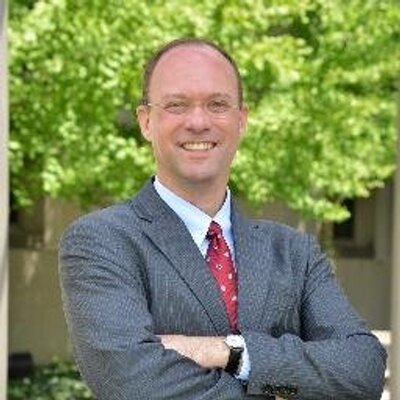
Dean Andy Klein - in front of building

In 2014, Dean Andy Klein was scheduled to travel to Ft. Meade, Maryland to observe Guantanamo Bay courtroom proceedings simultaneously video-cast by secure link. The hearings were cancelled, and Dean Klein is expected to reschedule in the near future.

IU McKinney Law School Dean Andy Klein is expected to travel to Ft. Meade, Maryland to monitor military commission trials during the Spring 2015

(Post by by George Edwards)

People Behind the Scenes

DSC00180

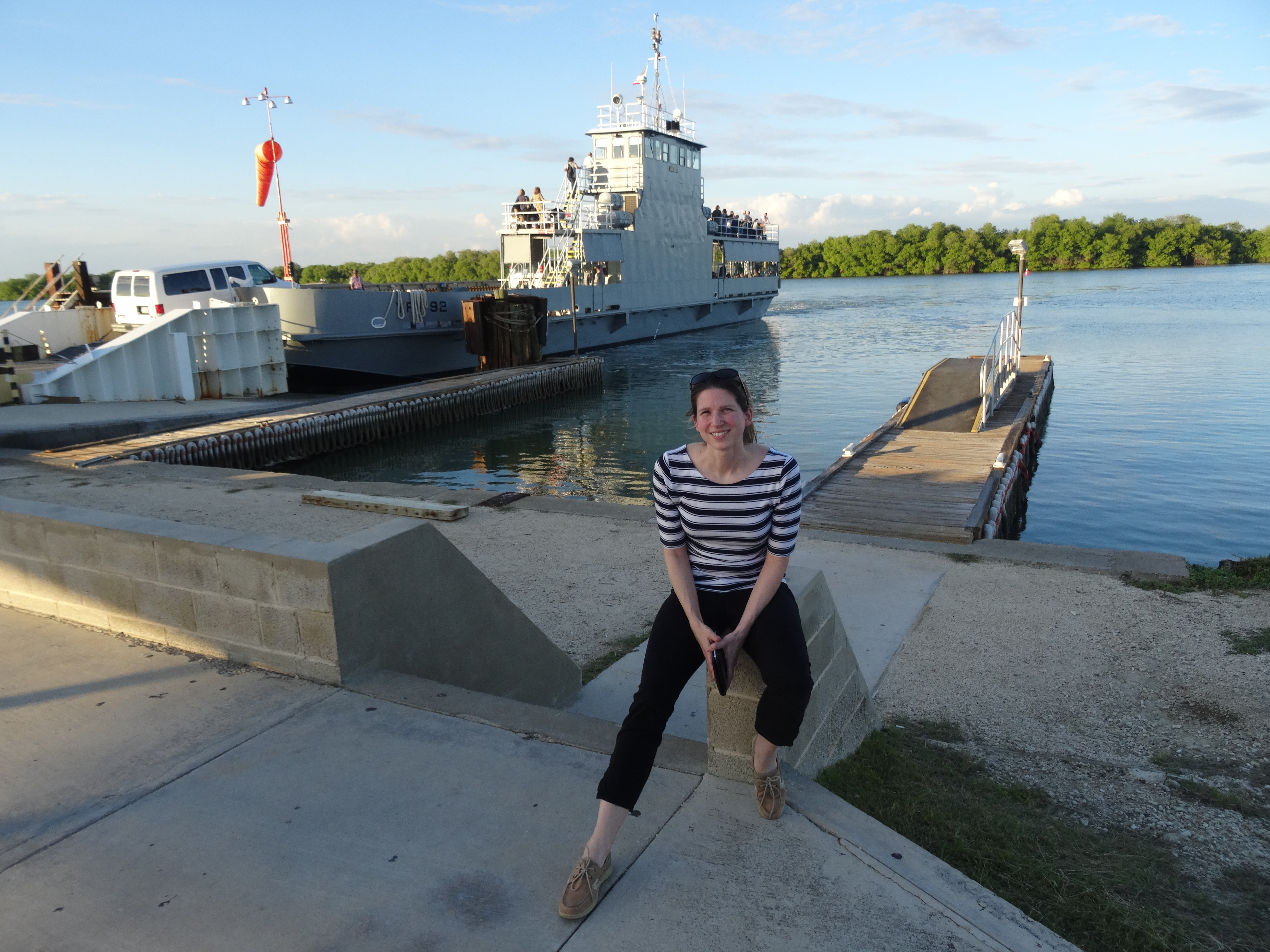
Myself (Margaret Baumgartner) waiting to board the ferry across the base.

Now that I’ve made it home from GTMO, I am trying to process everything that I’ve learned.  I did not have the time I wanted to sit down and really delve into posts.  We were busy with hearings, sit downs, and other interactions, however, I was able to keep a journal.  I jotted items down as I went and from these, I will pull my next several posts.

People Behind the Scenes

One thing I enjoy about travel is meeting new people.  If you take the time to really listen, you can garner some fascinating information.  We had a picnic table that we NGOs would congregate around at night.  Various people involved in the process would join.  Others would meet up with us at dinner.  The base is very small and thus you start recognizing everyone.  There are a lot of people that are very involved in the hearings.

On the ferry ride to our quarters at Camp Justice, I spent some time speaking with the three folks who handle the transcripts.  They are responsible for making sure that the transcripts of the proceedings are done each day and available to the public on the website.  I ran into them again at dinner that night.  They have been involved since the beginning and make sure that the public is kept “in the know”.  They often work late nights to make sure that the transcripts are available at the end of each day.

I also spent some time skipping rocks at a beach with a contractor responsible for the CCTV feed that is sent stateside.  He really likes his job, takes pride in it, and is an integral part of making sure those stateside have access to the hearings.

Our drivers were really nice and willing to take any of us anywhere we needed to go.  One was a fountain of knowledge about the base and he would find out answers if he did not have one.  Most of our questions revolved around military life and what it was like to be deployed to GTMO.  He also knew a lot about the history of the base.  GTMO is more than just a place where detainees are kept.  Families of deployed soldiers live there.  There are recreational sports.  It is like a little town.  There’s even McDonalds, Subway, and Taco Bell along with several other places to get out and eat at.

GTMO housed Haitian refugees in the 90s.  It was a place where Columbus landed in 1494.  Teddy Roosevelt was by the base at one point in the Spanish American War.  GTMO is a port for the Navy and the U.S. Coast Guard.  Detainees are kept there because no one else wants them, those who do may raise concerns for National Security, and mostly because Congress does not want them stateside.  Thus, GTMO has this horrible reputation when it was really one of the few places left to house those accused of terrorist acts while awaiting due process.

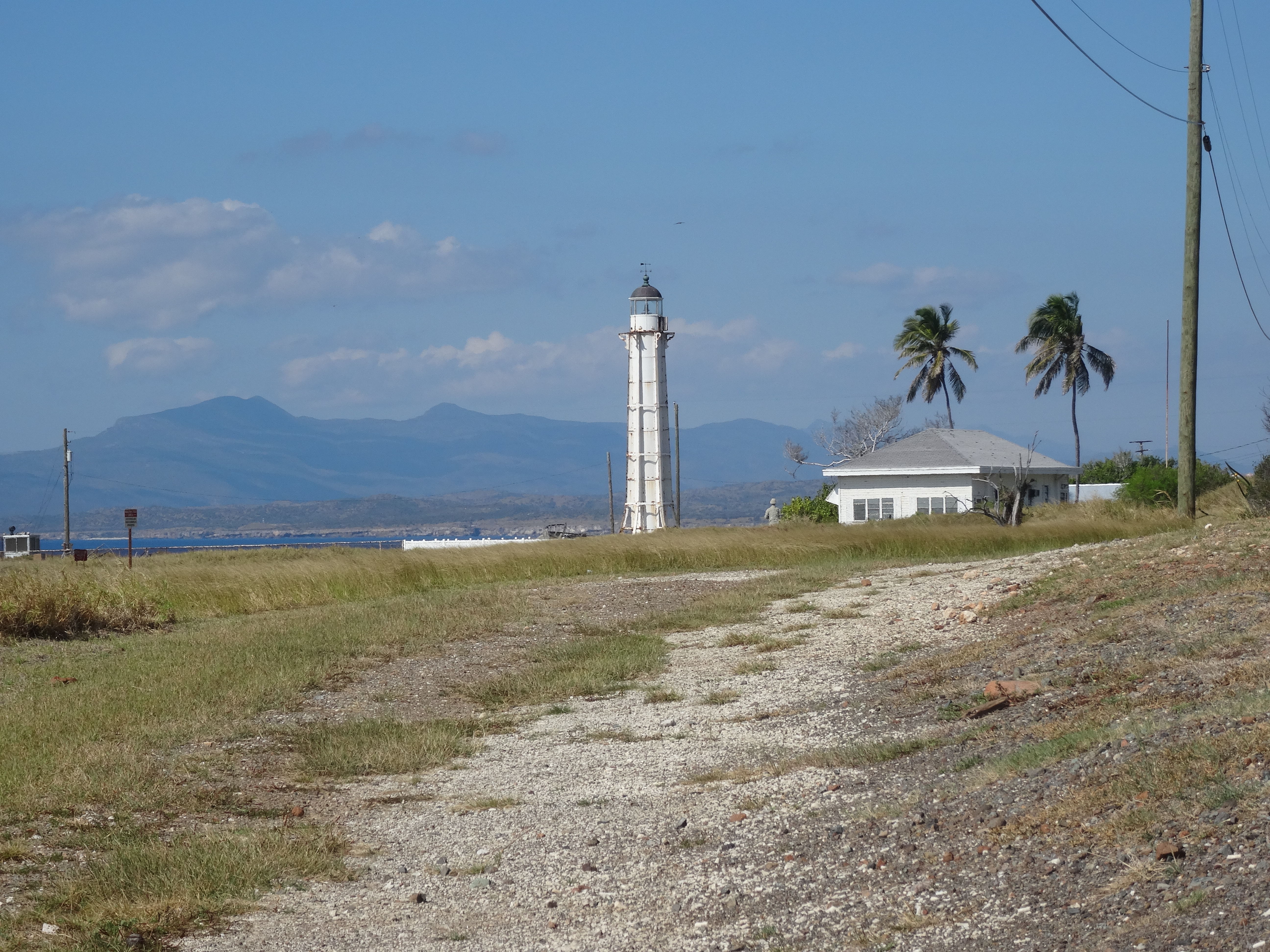
The old GTMO lighthouse.

The old GTMO lighthouse.

One person commented to me that the detainees have it better than they (those stationed there) do in regards to living conditions.  Would this be made known by the media or others reporting on it?  Probably not.  It doesn’t make for a good story.  The soldiers down at GTMO are someone’s brother, sister, father, mother, and loved one.  They are doing what their duty is and it really does sadden me when the collective whole receive a bad reputation for the acts of a few bad apples that are beyond their control.

I have noticed that everyone really does the best they can with what they are given and also the situation.  Defense, Prosecution, Security, Judge, Staff, Contractors, Deployed Soldiers…..it doesn’t matter who they are, they are all working hard.  I definitely gained a lot more respect for those involved in every aspect of the process on this trip.

(Margaret Baumgartner, Hadi al Iraqi Hearings, January 25-31, 2015) 

Year End Update: More Guantanamo Detainees Released (Catherine Lemmer)

Keeping informed. 

Carol_Rosenberg,_by_Colonel_Bryan_Browles

Carol Rosenberg by Colonel Bryan Browles (from Wikipedia)

The most important thing I observed during my time at Guantanamo Bay is that the activities that occur there are far from the minds of most Americans. In my small opinion, this physical and virtual distance creates a situation ripe for abuse. On the flight home I sat across the aisle from Carol Rosenberg (Miami Herald) and plied her with questions. She is perhaps the best source of knowledge as she has been on the story since the arrival of the first detainees in 2002. During the NGO Observer Tour of the courtroom facilities, the Officer in Charge of the Office of Military Commissions, John Imhof, often looked to her for information.

I made a commitment to myself to stay informed. It shouldn’t take a lot of effort — I’ve started following Ms. Rosenberg’s twitter feed and set up an alert on my news feeds.

National Public Radio interviewed Ms. Rosenberg at 6:45 pm EST on December 31 regarding the release of an additional four detainees and the efforts to close Guantanamo Bay. As of this date, there are still 127 detainees, 59 of whom have been cleared for release. While the rest of the world prepared for year end celebrations, she maintained her vigilance on our behalf.

(Posted by Catherine Lemmer)

Preparing for the 9-11 Guantanamo Bay Hearings

My work with the The Gitmo Observer

I have been involved with the U.S. Military Commission Observation Project (“MCOP”) (also known as The Gitmo Observer) since mid-spring 2014.  In my position as a law librarian at the Indiana University Robert H. McKinney School of Law I have worked on developing and maintaining The GITMO Observer site and providing research support for the Guantanamo Bay Fair Trial Observation Manual.  Thus I am honored and excited to have been selected to serve as an NGO observer at the upcoming military commission hearings on December 15 and 16 at Guantanamo Bay.

My work in South Africa

I begin assisting Professor George Edwards and the MCOP upon my return from South Africa in April 2014. I spent six months (September 2013 – April 2014) in Johannesburg as a Senior Fellow at the Legal Resources Centre of South Africa (LRC). The LRC is South Africa’s largest and oldest national public interest law organization. Established in 1979, the LRC lawyers challenged apartheid and played important roles in drafting the South African Constitution. In 1994, Nelson Mandela appointed LRC’s founder, Arthur Chaskalson, to serve as the first President of South Africa’s Constitutional Court. The LRC advances research and provides free legal services to the poor and vulnerable in the areas of land and housing rights, children’s rights and education, environmental justice, HIV/AIDS, health and social services, refugee matters, and women’s equality.

George Bizos 85th Birthday 010During my time with the LRC, I enjoyed many a brown bag lunch with George Bizos, an LRC lawyer. An internationally renowned South African human rights lawyer, George Bizos is credited with crafting the three words in Nelson Mandela’s statement during his 1964 treason trial which resulted in the imposition of life imprisonment rather than the death sentence. Upon learning that an American sat across the tea table from him the first time we met, George looked at me and said, “I have sympathy with his position but your President Obama has to shut down Guantanamo Bay.”  The topic of Guantanamo Bay would come up often during the six months I spent at the LRC and my knowledge of what was happening and why at Guantanamo Bay would prove woeful in comparison to that of George Bizos. The MCOP provided a fortuitous opportunity to learn more about the military commission process at Guantanamo Bay upon my return to the States.

The 9-11 case / Khalid Shaik Mohammed case that I will monitor next week

I will be observing hearings with respect to the five 9-11 defendants: Khalid Sheikh Mohammed, Walid Muhammad Salih Mubarak Bin ‘Attash, Ramzi Binalshibh, Ali Abdul Aziz Ali, and Mustafa Ahmed Adam al Hawsawi.

Earlier this week Professor Edwards was able to confirm that the hearings will involve matters of guard gender, the FBI probe/conflict of counsel, and the hearing schedule for 2015.

My preparation for the hearings

Even though I have been involved with the MCOP project, I had and still have lots of preparation to do. I’ve reread parts of the Guantanamo Bay Fair Trial Observation Manual to better understand my obligations to observe and analyze the proceedings. I am also reading the many documents related to this matter that are hosted on the U.S. Office of Military Commissions website. This is a complex case with five defendants and five separate defense teams.  As a result, I have also been reading biographical information on the Human Rights Watch and other sites to help me identify and keep separate each of the defendants. Later this week I am meeting with two other observers, Hattie Harmon and Chuck Dunlap, who have recently observed proceedings at Guantanamo Bay for advice and information.

Lecture by Gitmo Defense Counsel – Rick Kammen

I recently attended a lecture by Rick Kammen, the lead lawyer for al Nashiri  in the USS Cole case. His presentation focused on the many systemic problems of the Guantanamo Bay military commissions. What was readily apparent from his presentation is that Americans as a whole don’t pay much attention to the activities of the military commissions. In addition to its critically important work to ensure fair and transparent trials for all the stakeholders, MCOP is equally important in that it offers opportunities for many of us to become involved and expand awareness in others.

(Posted by Catherine Lemmer)